Never overstay again. Free Thai visa & 90-day reminders →

One of the first challenges foreigners face when moving to Thailand is opening a bank account. You need it for everything: paying rent, receiving salaries, meeting visa financial requirements, and daily transactions. But here's the frustrating reality: not all visas allow you to open a Thai bank account easily, and some don't allow it at all. Thai banks have become increasingly strict about which visa types they accept. Walk into a bank on a tourist visa, and you'll likely be turned away. Show up with the right long-term visa, and the process becomes much smoother. Let's break down which visas actually qualify you to open a Thai bank account and what you need to know.



Talk with our Thailand Specialists Numfhon, Tarn or Eric.
★★★★★ 5.0 on Google · Best Thailand visa agency
It's the weekend in Bangkok, we'll reply on Monday.
Or reach us directly: +66 99 333 2568 [email protected]
Bangkok · Pattaya · Chiang Mai · Phuket · Koh Samui
100% money-back guarantee
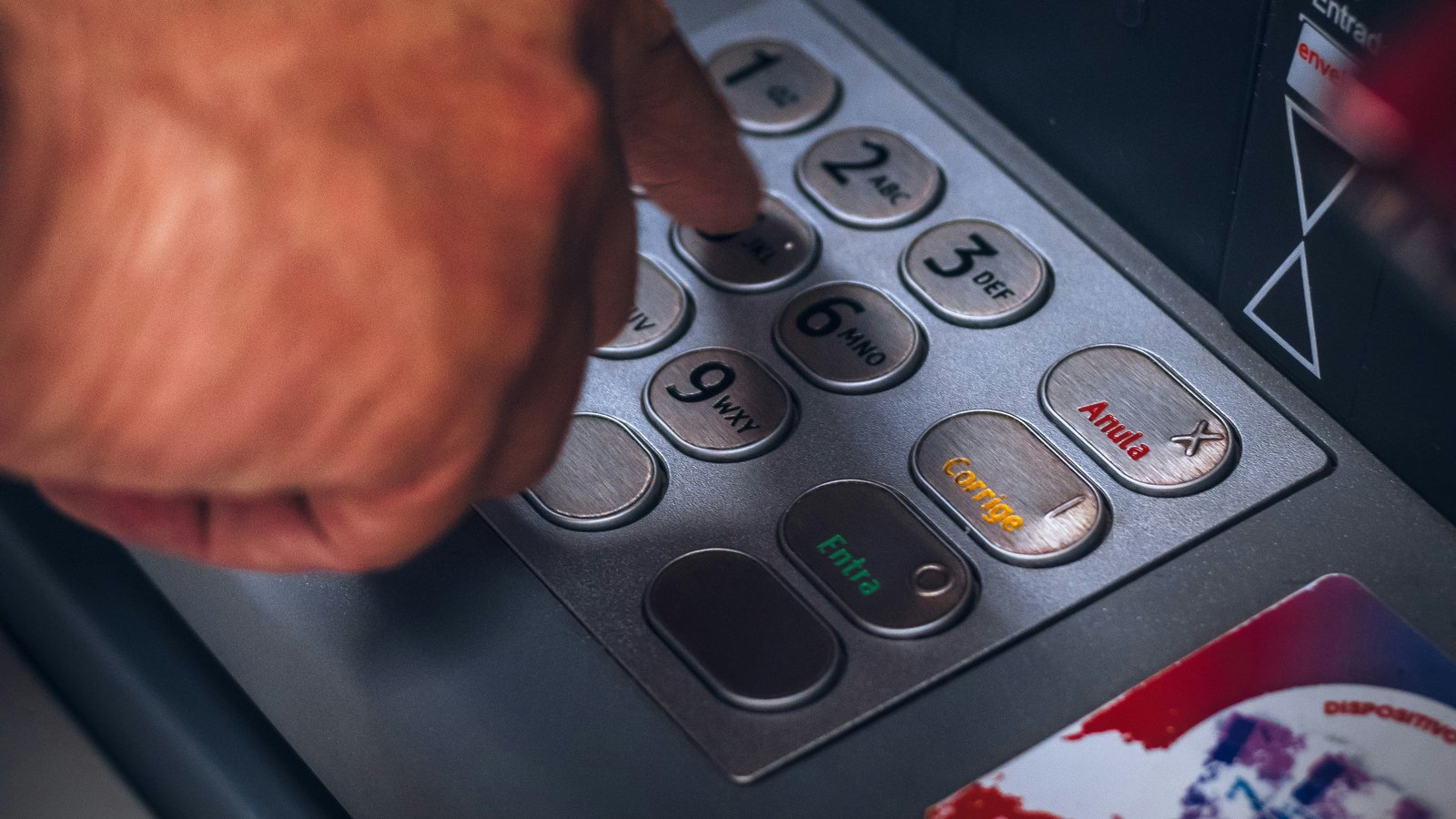
Thai banks operate under regulations from the Bank of Thailand requiring them to verify the legitimacy and purpose of account holders. They're cautious about opening accounts for short-term visitors who might leave the country quickly or use accounts for purposes outside Thai banking regulations.
Your visa signals to the bank how long you plan to stay in Thailand and your legal status. Long-term visas with clear purposes like work, retirement, education, or family get preferential treatment. Short-term or unclear visa statuses face obstacles.
Education Visa (Non-Immigrant ED) If you're enrolled in a Thai language school, university, or approved educational program, banks generally accept Education Visas for account opening. You'll need your passport with ED visa stamp, letter from your school confirming enrollment, proof of Thai address like a rental agreement or hotel booking, and your passport-sized photos.
Retirement Visa (Non-Immigrant O and Non-OA) Both retirement visa types are well-accepted by Thai banks. These are considered stable, long-term visas since they're designed for people planning to live in Thailand permanently. In fact, you often need a Thai bank account to get the retirement visa in the first place for the 800,000 baht requirement, creating a chicken-and-egg situation we'll address later.
Required documents include passport with retirement visa stamp, proof of Thai address, and passport photos.
Marriage Visa (Non-Immigrant O based on Thai Marriage) If you're married to a Thai citizen and hold a marriage visa, banks generally accommodate you. Your Thai spouse can often accompany you to the bank, which helps significantly. Like retirement visas, marriage visas require Thai bank accounts for the 400,000 baht financial requirement.
Documents needed are passport with marriage visa stamp, marriage certificate, proof of address, and having your Thai spouse present can smooth the process considerably.
Work Visa and Work Permit (Non-Immigrant B) If you're working legally in Thailand with a work permit, banks readily accept you. Your employer may even help facilitate account opening as part of onboarding. Required documents include passport with Non-B visa stamp, work permit, letter from your employer, and proof of address.
Long-Term Resident (LTR) Visa The LTR visa is a premium long-term visa for wealthy foreigners, skilled professionals, and retirees with high pensions. Banks enthusiastically accept LTR visa holders since this visa represents financial stability and long-term commitment to Thailand. Documents needed are passport with LTR visa stamp, approval letter from BOI or relevant authority, and proof of address.
Thailand Elite Visa Elite visa holders, who pay substantial fees for long-term residence privileges, are welcomed by banks. The Elite visa signals financial means and serious commitment to Thailand. Thailand Elite may even provide assistance with bank account opening as part of their concierge services. Required documents include passport with Elite visa stamp, Elite membership card, and proof of address.
Tourist Visa and Visa Exemption This is where most people struggle. Thai banks generally refuse to open accounts for tourists. The reasoning is simple: tourists are temporary visitors, not residents. While some travelers report success at certain branches or with agents charging fees, it's not officially permitted and success is inconsistent.
DTV (Destination Thailand Visa) The DTV is new as of 2024, and bank policies are still evolving. Some banks accept it since it's a five-year visa demonstrating long-term intent. Others refuse it because account holders might spend most time outside Thailand given the visa's flexibility. Your success may vary by bank and branch. Bangkok Bank and Kasikorn Bank have been reported as more DTV-friendly, but policies change frequently.
Here's a common dilemma: you need a Thai bank account to get certain visas like retirement or marriage visas to meet financial requirements, but you need a long-term visa to open a bank account.
Solutions: Some people enter Thailand on a tourist visa, convert to Non-O visa at immigration which gives you 90 days, then use that 90-day Non-O stamp to open a bank account before extending to one year. Others enter on tourist visa, find banks willing to open accounts with letters from immigration or Thai embassies stating you're applying for long-term visas. Bangkok Bank and Kasikorn Bank are often mentioned as more flexible. Some use visa agents who have relationships with bank branches and can facilitate account opening for fees, though this adds costs. Opening an account in tourist-heavy areas like Phuket or Pattaya where banks are more accustomed to foreigners sometimes yields better results.
Bangkok Bank Often cited as most accommodating to foreigners, with international banking experience and branches familiar with expat needs.
Kasikorn Bank (K-Bank) Generally foreigner-friendly with English-speaking staff in major cities and modern mobile banking apps.
Siam Commercial Bank (SCB) Accepts foreigners with proper visas and has good digital banking infrastructure.
Krungsri (Bank of Ayudhya) Reasonable policies for foreigners though experiences vary by branch.
Important note: policies vary not just by bank but by individual branch and even the specific staff member helping you. One branch might refuse while another accepts you with the same documents.
Bring your Thai spouse, employer, or school representative if applicable. Their presence and support significantly increase approval chances.
Be patient and polite. Banking staff deal with regulations and pressure from management. Frustration won't help your case.
Consider using an agent if you've tried unsuccessfully. Agents charge fees typically 3,000 to 8,000 baht but have bank relationships and know which branches are flexible.
Opening a Thai bank account shouldn't derail your Thailand plans, but navigating which banks accept your visa type and preparing proper documentation can be frustrating.
Thai Kru provides bank account opening assistance including determining which banks work with your visa type, preparing all required documents, accompanying you to banks if needed, providing letters of support when applicable, and connecting you with flexible branches and relationship managers.
We understand the visa and banking requirements intimately and help hundreds of clients successfully open accounts each year.
Contact Thai Kru: Visit www.thaikru.com
Disclaimer: Bank policies change frequently and vary by branch. Always verify current requirements with your chosen bank. Thai Kru provides guidance to help you successfully navigate the process.
A 1-hour video call with a Thailand visa expert. Your actual situation, the routes that are realistic for you, and a straight answer on what to do next.