Never overstay again. Free Thai visa & 90-day reminders →

Getting your DTV visa rejected is frustrating—especially when you were counting on it to start your Thailand life. But rejection isn't the end of the road. Understanding why DTV applications get rejected is the first step toward fixing the problem and reapplying successfully. This guide covers the most common reasons Thai embassies reject DTV applications in 2026: documentation issues, financial proof problems, category mismatches, inconsistent information, and application errors. We explain what each rejection reason means, how to identify which one applies to your situation, and exactly what to do to correct it before reapplying. We also cover what to do immediately after receiving a rejection, how long you typically need to wait before reapplying, and how working with a visa service can significantly improve your chances on the second attempt. Thai Kru helps applicants who have been rejected navigate the reapplication process.



Talk with our Thailand Specialists Numfhon, Tarn or Eric.
★★★★★ 5.0 on Google · Best Thailand visa agency
It's early morning in Bangkok, we'll reply this morning at 9am.
Or reach us directly: +66 99 333 2568 [email protected]
Bangkok · Pattaya · Chiang Mai · Phuket · Koh Samui
100% money-back guarantee
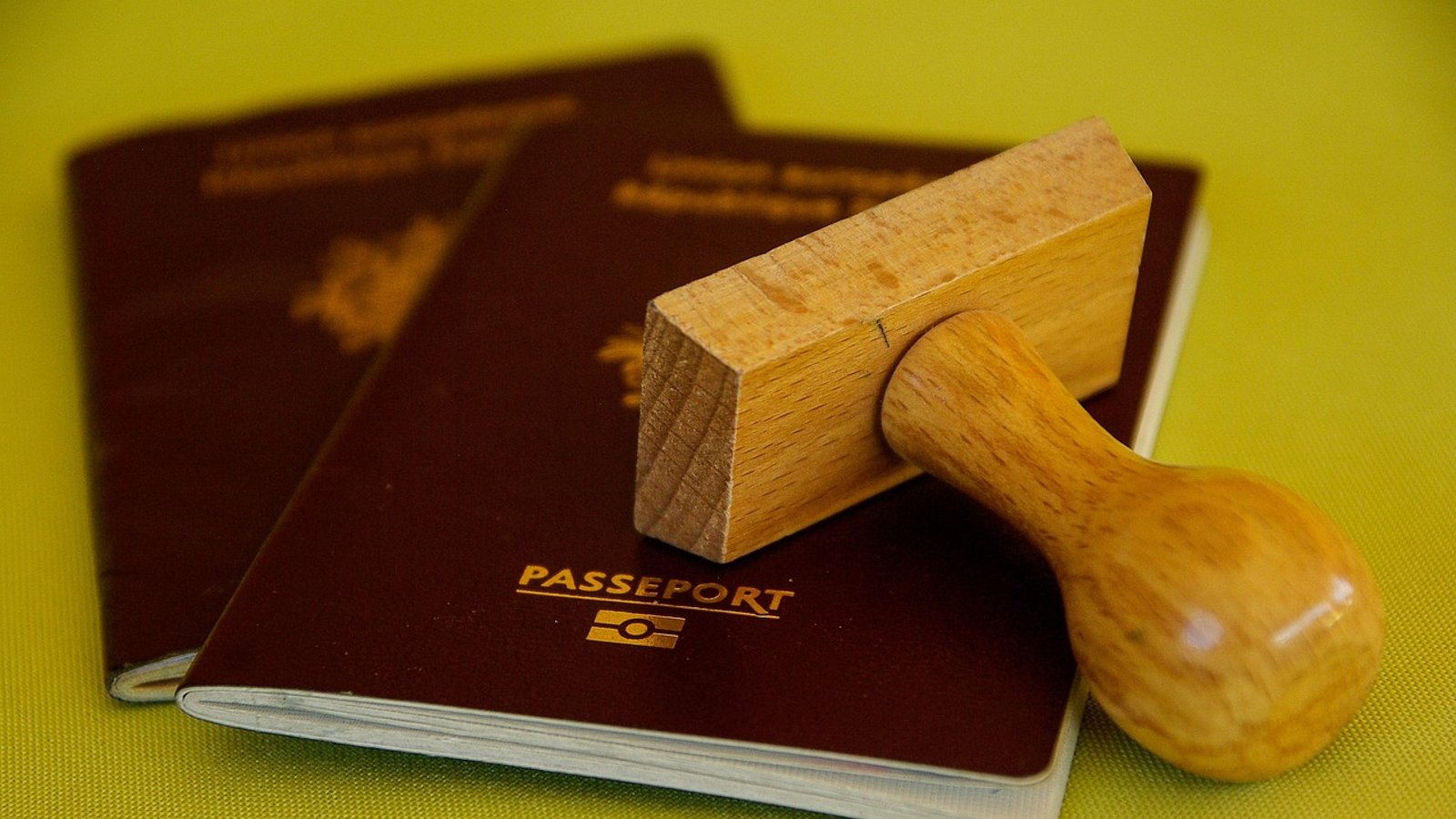
You prepared your documents. You gathered your bank statements. You filled out the application form. You traveled to the embassy, submitted everything, and waited.
Then the rejection came.
If you've had your DTV visa application rejected, you're not alone. As Thailand's DTV visa has grown in popularity since its 2024 launch, rejection rates have also become a reality for applicants who didn't fully understand what embassies are looking for.
Here's the important thing to know: a rejection is not permanent. Most people who get rejected can fix their application and reapply successfully. But you need to understand why you were rejected first.
Let's break down everything you need to know about DTV rejections and how to come back stronger.
The DTV (Destination Thailand Visa) is still a relatively new visa category. Introduced in 2024, it represented Thailand's effort to attract remote workers, freelancers, and people interested in Thai cultural activities (Soft Power).
Because it's newer than traditional visas, there's been a period of adjustment on both sides:
For applicants: Understanding exactly what each embassy requires, what documents meet standards, and how to position applications correctly takes research and often experience.
For embassies: Different Thai embassies worldwide have interpreted and applied DTV requirements with some variation. What works perfectly at one embassy might be handled differently at another.
This creates an environment where rejections happen not always because applicants are fundamentally unqualified, but because of documentation gaps, presentation issues, or misunderstandings about what's required.
The good news: most of these issues are fixable.
Before diving into reasons, let's understand what a rejection actually means practically.
Thai embassies are generally supposed to provide a reason for rejection. In practice, the specificity of this reason varies significantly. Some rejections come with clear explanations. Others provide vague or general statements.
If your rejection reason is unclear, this is frustrating but workable. You can often deduce the likely cause by honestly reviewing your application against the requirements.
Visa application fees are typically non-refundable regardless of outcome. This is standard practice across most visa systems worldwide and applies to DTV applications.
Your passport is returned to you when your application is rejected. There is no rejection stamp placed in your passport for a visa application rejection—this is different from being denied entry at a border, which can result in stamps.
Rejection is not a ban. You can reapply for the DTV after addressing the issues that caused rejection. There's typically no mandatory waiting period between application attempts, though some embassies may have their own informal practices.
This is consistently one of the most common rejection causes.
The DTV requires applicants to demonstrate they have sufficient funds—currently set at a specific amount that Thai immigration policy determines. We intentionally don't quote the exact figure here as requirements can be updated; always verify the current amount through official sources or a visa service.
What goes wrong:
Balance too low: Your bank statement shows less than the required amount.
Inconsistent balance: The money appeared in your account shortly before application and wasn't there before. Embassies look for stability, not sudden deposits. A bank account that shows a large deposit arriving just before your statement period ended—with little history before—raises questions about whether the funds are genuinely yours.
Wrong account type: Using savings from an investment account, retirement fund, or other non-liquid source rather than a standard bank account.
Bank statements not accepted format: Some embassies want statements in specific formats—official printed statements with bank stamps rather than online-generated PDFs, or statements covering specific time periods.
Currency conversion issues: If your funds are in a currency other than Thai Baht, the conversion at the time of application must clearly show you meet the requirement. Exchange rates fluctuate, and if the calculation isn't clear in your application, embassies may not calculate it favorably.
How to fix it:
The DTV has multiple categories—Remote Worker, Freelancer, Soft Power (which includes Muay Thai, cooking classes, wellness, medical treatment), and Dependent. Each requires specific documentation proving you genuinely belong in that category.
What goes wrong:
Applying for the wrong category: Someone applies as a Remote Worker but their employment situation actually fits Freelancer better, or vice versa. The documentation they provide doesn't match the category they selected.
Insufficient category proof: Claiming Remote Worker status but only providing a vague letter from an employer that doesn't clearly confirm remote work arrangement. Or claiming Freelancer status with a portfolio that doesn't demonstrate active, ongoing international clients.
Weak Soft Power documentation: Applying through a cooking class or Muay Thai pathway but providing enrollment documentation from a school or gym the embassy doesn't recognize, or documentation that doesn't clearly confirm enrollment in a genuine course.
Inconsistency between claimed category and provided documents: Everything in your application points one direction but your category selection points another.
How to fix it:
Embassies have specific document checklists for DTV applications. Missing even one required document can result in rejection rather than a request to provide additional information.
What goes wrong:
Missing documents from the checklist: Not submitting everything required.
Documents in wrong language: If your documents are in a language other than English or Thai, they may need certified translation. Submitting untranslated documents in other languages can cause rejection.
Expired documents: Submitting a passport with less validity than required, or other documents that have passed their validity.
Photos not meeting specifications: Passport photos that don't meet size, background color, or recency requirements.
Incomplete application forms: Forms with fields left blank, inconsistent information across forms, or signatures missing.
How to fix it:
Embassies cross-reference the information you provide. When details don't match across documents, it raises red flags.
What goes wrong:
Address inconsistencies: Your accommodation proof shows one address, your application form shows another.
Name discrepancies: Your name appears differently across documents—middle names included in some places and excluded in others, or name order varies.
Date inconsistencies: Employment start dates on your employer letter don't match dates in other documents.
Income vs. bank statement mismatch: Your employer letter states a salary that doesn't appear to match deposits in your bank statements.
Application information contradicting passport history: What you've claimed about your travel history doesn't align with what's visible in your passport.
How to fix it:
The embassy needs confidence that you have a genuine place to stay in Thailand.
What goes wrong:
No accommodation proof provided: Simply forgetting to include it.
Unverifiable accommodation: Showing a booking at an accommodation that appears unofficial or unverifiable.
Proof covering too short a period: Showing only a few nights of hotel booking when your intended stay is much longer.
How to fix it:
Different Thai embassies have different jurisdictions and requirements. Applying at an embassy that doesn't serve your area of residence, or at an embassy known for stricter requirements without being fully prepared, can cause problems.
What goes wrong:
Applying at a non-jurisdictional embassy: Some embassies have policies about only accepting applications from residents of their region.
Choosing a stricter embassy without preparation: Some embassies apply requirements more strictly than others. Applicants sometimes choose an embassy based on convenience without researching that specific location's approach.
How to fix it:
Your passport tells a story. Embassy officers review your travel history as part of assessing your application.
What goes wrong:
Multiple previous rejections visible: If you've had multiple visa rejections from various countries, this creates doubt about your application.
Extensive tourist entries to Thailand: A passport showing many back-to-back tourist entries or visa exemptions to Thailand before the DTV application can raise questions about intent—specifically whether you were living in Thailand on tourist status when you should have had a proper long-term visa.
Recent overstay record: Any record of overstaying in Thailand or other countries significantly hurts applications.
How to fix it:
Ask the embassy for written confirmation of why your application was rejected if you haven't received it already. Keep this document—it's your roadmap for fixing the problem.
Submitting the same application again right away without changes will get the same result. Take time to genuinely address what went wrong.
Go through everything you submitted and compare it against the rejection reason and the requirements. Be honest with yourself about what was weak.
If your rejection reason was unclear, if you're not confident you can identify what went wrong, or if this is your second rejection, working with a visa service makes sense. Professionals who handle DTV applications regularly know what embassies are looking for and can help you present your application correctly.
Based on your honest assessment:
Beyond fixing specific rejection issues, here's how to generally strengthen a reapplication:
Write a cover letter: A brief, professional cover letter addressing your application, your genuine intentions in Thailand, and (if applicable) proactively addressing anything that might seem unusual in your application can make a significant difference. Embassies are reviewing many applications; a clear, honest cover letter helps your application stand out positively.
Get every document certified: Wherever possible, use officially certified versions of documents rather than self-printed copies. Bank letters with official stamps, certified translations, notarized documents where relevant.
Ensure financial stability is clear: If financial proof was any part of your rejection, make sure your bank statements now clearly show consistent, stable funds over a meaningful period before reapplication.
Choose your embassy carefully: If you have flexibility, research which Thai embassy has the most straightforward process for your specific category and nationality.
Consider professional help: A rejected application doesn't disqualify you, but a second rejection is harder to overcome. If you're not confident in your reapplication, professional guidance is worth considering.
There is generally no mandatory waiting period after a DTV rejection before you can reapply. However, consider:
A good rule of thumb: reapply when you're confident the issue is genuinely fixed—not before.
If your DTV application was rejected, Thai Kru helps applicants navigate the reapplication process.
We work with applicants to understand what went wrong and how to address it before reapplying. Contact Thai Kru to discuss your situation.
A DTV rejection feels discouraging, especially when you had plans built around living in Thailand. But the vast majority of rejected applicants who take the time to properly understand and fix their application issues do successfully obtain their DTV on reapplication.
The DTV is a legitimate, valuable visa for people who genuinely meet the requirements. If you qualify, the goal is simply to demonstrate that clearly to the embassy—and that's almost always achievable with the right preparation.
Fix the issue. Prepare properly. Reapply with confidence.
Thailand is waiting.
👉 Had Your DTV Application Rejected?
Thai Kru helps applicants understand what went wrong and navigate the reapplication process. Contact us today to discuss your situation.
Thai Kru Visa Services: Helping foreigners with their visa applications in Thailand. Contact us to get started.
A 1-hour video call with a Thailand visa expert. Your actual situation, the routes that are realistic for you, and a straight answer on what to do next.