 Understand your Thailand options. Book a consultation with Tarn →
Understand your Thailand options. Book a consultation with Tarn →

Opening a Thai bank account as a foreigner can be straightforward or surprisingly difficult depending on your visa type, the bank you choose, and even which branch you visit. This complete guide walks you through everything you need to know: which visa types make it easier, what documents to bring, which banks are generally more foreigner-friendly, and what to do if you get rejected. We also cover the Certificate of Residence process, when to consider using an agent, and alternative banking solutions if you can't open a traditional account. Whether you're on a tourist visa, DTV, retirement visa, or work permit, this guide gives you the practical information you need to successfully open a Thai bank account. Thai Kru helps foreigners navigate Thai banking requirements and can connect you with services to make the process smoother.


Talk with our Thailand Specialists Numfhon, Tarn or Eric.
★★★★★ 5.0 on Google · Best Thailand visa agency
It's early morning in Bangkok, we'll reply this morning at 9am.
Bangkok · Pattaya · Chiang Mai · Phuket · Koh Samui
100% money-back guarantee
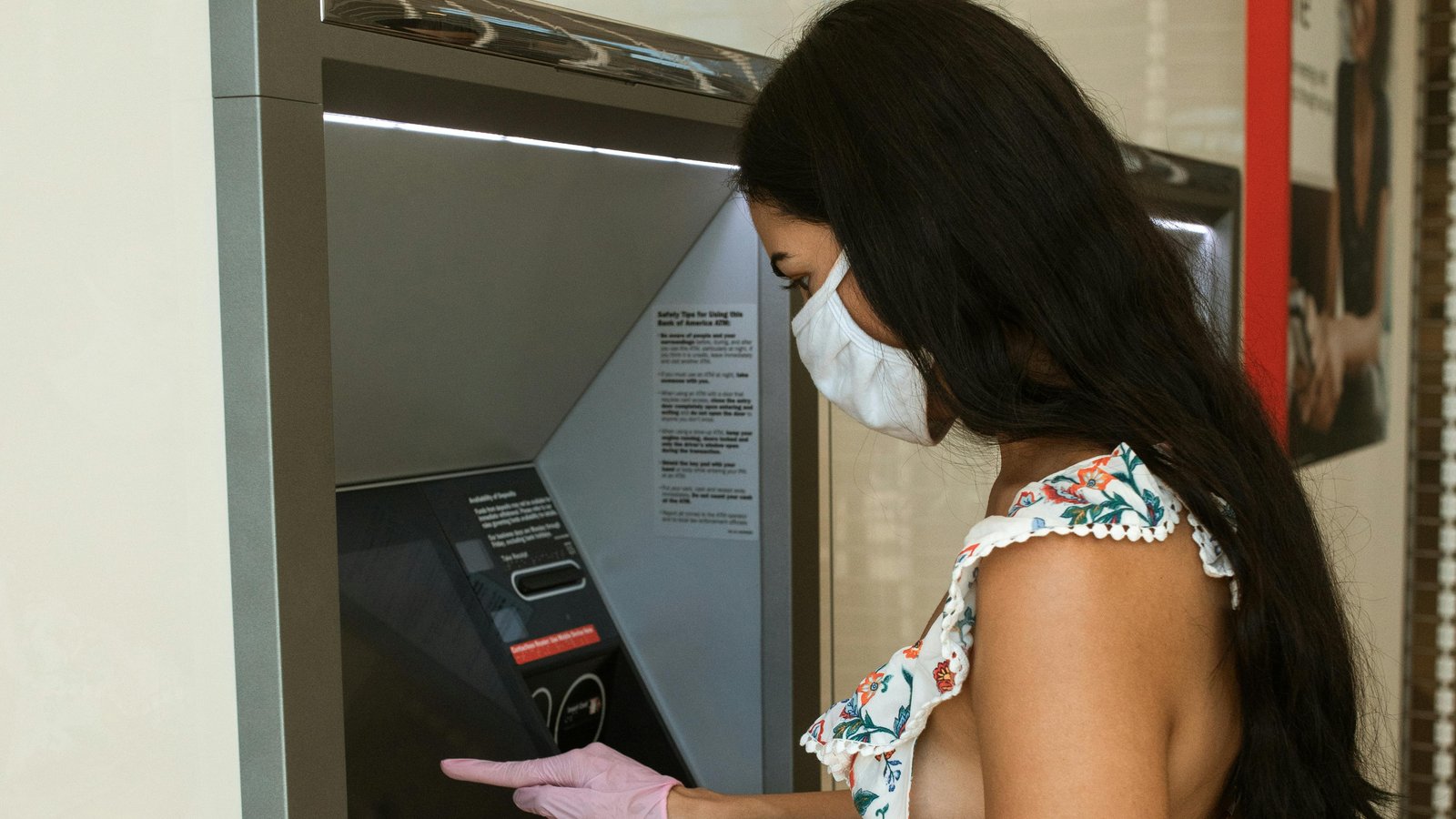
If you're planning to live in Thailand for any length of time, you'll quickly realize that having a Thai bank account makes life significantly easier.
Paying rent, booking hotels, ordering food delivery, using certain apps, avoiding ATM fees, receiving transfers—so many things become simpler with a local bank account.
But here's the reality: opening a Thai bank account as a foreigner can range from "surprisingly easy" to "frustratingly impossible" depending on several factors.
The good news? Once you understand how the system works and what banks are looking for, your chances of success increase dramatically.
Let's break down everything you need to know.
Before we get into the how-to, it helps to understand why Thai banks can be hesitant to open accounts for foreigners.
Money laundering regulations: Banks must comply with strict anti-money laundering laws. Foreign accounts present higher scrutiny requirements.
Account abandonment: Many tourists open accounts, use them briefly, then leave Thailand and never touch them again. This creates administrative burden for banks.
Communication barriers: Banks worry about language difficulties and the ability to contact account holders if needed.
Documentation verification: Verifying foreign documents and addresses is more complex than verifying Thai nationals.
Long-term presence uncertainty: Banks prefer customers who will actually use the account regularly, not just open it and disappear.
Understanding these concerns helps you position yourself as a legitimate, long-term customer rather than a tourist passing through.
Your visa type is the single biggest factor in whether opening an account will be easy or difficult.
Work Permit Holders: If you have a valid Thai work permit, most banks will open accounts with minimal fuss. You're clearly living and working in Thailand legally, which banks view favorably.
Retirement Visa (Non-O): Banks generally welcome retirement visa holders. You're staying long-term, you have financial resources, and you're not going anywhere soon.
Marriage Visa: Similar to retirement visas—you have legitimate long-term ties to Thailand, making you a stable customer.
Elite Visa: Premium long-term visa holders rarely have issues. Banks recognize Elite visa members as high-value customers.
Education Visa (Non-ED): Success varies by bank and branch. Some readily accept ED visa holders, others are skeptical. Having your school nearby and bringing school documentation helps.
Long-Term Resident (LTR) Visa: Generally good acceptance, though this is a newer visa category so some bank staff may be less familiar with it.
DTV (Destination Thailand Visa): This is where it gets tricky. The DTV is relatively new, and banks often treat it similarly to tourist visas. Some branches will open accounts for DTV holders, others refuse. Success varies significantly.
Tourist Visa: Difficult but not impossible. Some bank branches will open accounts for tourists, especially in tourist-heavy areas. Others have policies against it.
Visa Exemption (Visa-Free Entry): The most challenging scenario. Very few branches will open accounts for visa-free visitors. You'll likely need to use an agent or visit many branches before finding one that agrees.
Not all Thai banks treat foreign customers equally. Some have more experience and better systems for handling foreigners.
Bangkok Bank: Thailand's largest bank and historically the most foreigner-friendly. They have significant international experience and many branches accustomed to foreign customers. Your best starting point for most visa types.
Kasikorn Bank (K-Bank): Good track record with foreigners, especially in expat-heavy areas. Staff in tourist zones are usually experienced with foreign account openings.
Krungsri (Bank of Ayudhya): Increasingly foreigner-friendly, particularly in major cities. Good English-speaking staff in many branches.
Siam Commercial Bank (SCB): Can be more strict about visa requirements. Not impossible, but often requires stronger documentation or specific visa types.
Krungthai Bank: Similar to SCB—possible but typically requires solid visa status.
Government Savings Bank: Primarily focused on Thai nationals, rarely opens accounts for foreigners.
Important note: These are general patterns, not absolute rules. Every branch can make its own decisions, so you might find an SCB branch that readily opens accounts while a Bangkok Bank branch refuses. Location and individual branch policies matter enormously.
The exact requirements vary by bank and visa type, but here's what you should bring to maximize your chances:
Your passport: Original, valid for at least 6 months. The bank will photocopy your photo page, visa page, and entry stamp.
Your visa (if applicable): The stamp or sticker in your passport showing your current visa type and validity.
Proof of Thai address: This is crucial. You need documentation showing where you're staying in Thailand.
Rental contract or lease agreement: Best option if you have one, showing you're genuinely living in Thailand.
Hotel booking confirmation: If you don't have a rental yet, an extended hotel booking can work.
TM30 receipt: This is the form your landlord or hotel files with immigration showing you're staying at their address. Many banks accept this as proof of address.
Utility bill in your name: If you've set up utilities at your Thai address.
Letter from your accommodation: Some hotels or apartments will write letters confirming you're staying there.
Certificate of Residence: This official document from Thai immigration confirms your Thai address. Some banks require it, others accept it as strong supporting documentation. Getting one requires visiting immigration, bringing your passport, TM30, photos, and rental contract. There's a fee and processing time involved.
Thai phone number: Not always required upfront, but helpful. Some banks want to see a Thai SIM card or phone number for account contact purposes.
Work permit: If you have one, bring it even if you're not asked—it significantly strengthens your application.
Letter from employer or school: If you're working or studying, an official letter can help establish your legitimate presence in Thailand.
Passport photos: Bring 2-3 passport-sized photos just in case, though many banks can take photos on-site.
Here's what the actual process typically looks like:
Research which banks are generally foreigner-friendly, then identify branches in expat-heavy areas. These locations see more foreign customers and have staff experienced with the process.
Good areas to try:
Before visiting, make sure you have everything: passport with visa, proof of address, any supporting documents. Having more documentation than needed is better than having too little.
Go to the bank during off-peak times (mid-morning or early afternoon, avoiding lunch hour and just before closing). Bank staff are more patient and helpful when they're not swamped with customers.
This matters more than you might think. Dress professionally—business casual or better. Banks are more likely to take you seriously as a customer if you look established and serious.
Even if you face initial resistance, stay calm and polite. Ask if there's a manager who handles foreign accounts. Sometimes the first staff member says no, but a supervisor or manager has authority to approve.
If they agree to open your account, you'll fill out application forms (often available in English at major branches). The process typically takes 30-60 minutes.
You'll choose:
Initial deposit requirements vary by bank but are typically modest—anywhere from a few hundred to a few thousand baht.
You'll usually walk out with:
Don't panic if your first attempt fails. Rejection is common, especially with tourist visas or visa exemption.
This is crucial: each branch can make independent decisions. Being rejected at one Bangkok Bank branch doesn't mean every Bangkok Bank will reject you.
Strategy:
If multiple branches of one bank reject you, try a different bank entirely. Bangkok Bank says no? Try K-Bank. K-Bank says no? Try Krungsri.
If you're being rejected due to address verification issues, getting an official Certificate of Residence from Thai immigration can tip the scales in your favor. Yes, it takes time and effort, but it's official government documentation that banks respect.
If you've tried multiple branches and banks without success, an agent service might be your best option.
Bank account opening agents exist specifically to solve this problem.
Agents have established relationships with specific bank branches. They know which managers approve foreign accounts and bring you directly to those branches with all paperwork prepared correctly.
Agent services for bank account opening typically cost a few thousand baht. It's an added expense, but if you've wasted days visiting branches unsuccessfully, it can be worth it for the certainty and saved time.
Thai Kru can connect you with reliable bank account opening services if you need assistance.
If you absolutely cannot open a traditional Thai bank account, you still have options:
Wise (formerly TransferWise): Wise offers multi-currency accounts with Thai baht balances and Thai bank account details. While not a true Thai bank account, it functions similarly for receiving transfers and making payments. You can get Thai account numbers for receiving local transfers.
Revolut: Similar to Wise, offers Thai baht accounts with reasonable exchange rates and ATM withdrawals.
Many international debit and credit cards work fine in Thailand. You'll pay ATM fees (typically 220 THB per withdrawal plus your bank's foreign transaction fees), but it's workable short-term.
Services like Western Union, MoneyGram, or Remitly can send money to you in Thailand for cash pickup or delivery, though fees are higher than bank transfers.
If you're currently on tourist visa or visa exemption, consider opening an account later when you have retirement visa, work permit, or other long-term visa. Sometimes waiting a few months and improving your visa situation makes the entire process trivial.
The DTV's newness means bank policies are still evolving. Your best bet is trying Bangkok Bank or K-Bank in expat areas, bringing your DTV visa stamp, TM30, and rental contract. Be prepared to try multiple branches. Some DTV holders report success, others need agents.
Once you have your retirement visa extension (the 1-year stamp), banks generally welcome you. However, if you're trying to open an account during your initial 90-day Non-O period before the extension, you might face more difficulty. Some people wait until after getting the 1-year extension to open accounts.
Bring documentation from your school along with your visa. A letter from your language school or university helps establish you're legitimately in Thailand for education.
You have it easiest. Bring your work permit along with your passport and basic documents. Most banks will readily open accounts. Some employers even arrange bank accounts for employees as part of onboarding.
Going to random branches: Target expat-friendly branches in areas with high foreign populations, not random suburban branches that rarely see foreigners.
Not bringing enough documentation: Over-prepare. Bring everything even if you think you won't need it all.
Giving up after one rejection: Persistence is key. Many successful account holders were rejected 2-3 times before finding a branch that approved them.
Arguing with bank staff: If they say no, politely ask if there's someone else who handles foreign accounts, or simply thank them and try elsewhere. Arguing accomplishes nothing.
Not having a Thai address: You need proof of where you're staying in Thailand. A hotel booking or rental contract is essential.
Trying during busy times: Late morning or early afternoon on weekdays is ideal. Avoid Monday mornings, lunch hours, or late afternoons when staff are rushed.
You might be wondering if all this effort is worth it. For short trips, probably not. But if you're living in Thailand for months or years, a local bank account provides significant benefits:
Lower costs: Avoid ATM fees and foreign transaction fees that add up quickly.
Rent payments: Many landlords prefer or require Thai bank transfers.
Thai apps and services: Grab, food delivery, hotel booking apps often require Thai payment methods.
Receiving money: Much cheaper and faster to receive international transfers into a Thai account than Western Union or other services.
Visa requirements: If you later want to switch to retirement visa or marriage visa, you'll need a Thai bank account with money seasoned for several months.
Peace of mind: Having local banking makes you feel less like a tourist and more like a resident.
Remember: Every foreigner living in Thailand has gone through this process. Some succeeded on their first try, others needed multiple attempts, but virtually everyone eventually gets an account opened.
Contact Thai Kru today—let's get your Thai Visa and visit Thailand.
Thai Kru Visa Services: We help foreigners navigate every aspect of living in Thailand, from visas to long-term planning. Contact us for personalized guidance on your situation.
A 1-hour video call with a Thailand visa expert. A written plan in your inbox within 24 hours. And a full year of email and chat support to keep you on track.