 Understand your Thailand options. Book a consultation with Tarn →
Understand your Thailand options. Book a consultation with Tarn →

Moving to Thailand with your family is more achievable than most people realize, especially with the introduction of the DTV Dependent visa. One parent can apply for a DTV visa through remote work, freelancing, or Soft Power activities like Muay Thai or cooking classes, and their spouse and children under 20 automatically qualify for dependent visas—giving the entire family 5 years in Thailand with 180-day stays and unlimited entries. This guide covers everything families need to know: how dependent visas work, education options for children, family-friendly areas in Thailand, healthcare considerations, and the practical realities of raising kids in Southeast Asia. We explain the visa application process for families, what documents you'll need for each family member, and why many families choose to work with visa services to handle the complexity. Thai Kru helps families navigate the visa process and get set up for long-term life in Thailand.


Talk with our Thailand Specialists Numfhon, Tarn or Eric.
★★★★★ 5.0 on Google · Best Thailand visa agency
It's office hours in Bangkok, we'll reply within the hour.
Bangkok · Pattaya · Chiang Mai · Phuket · Koh Samui
100% money-back guarantee
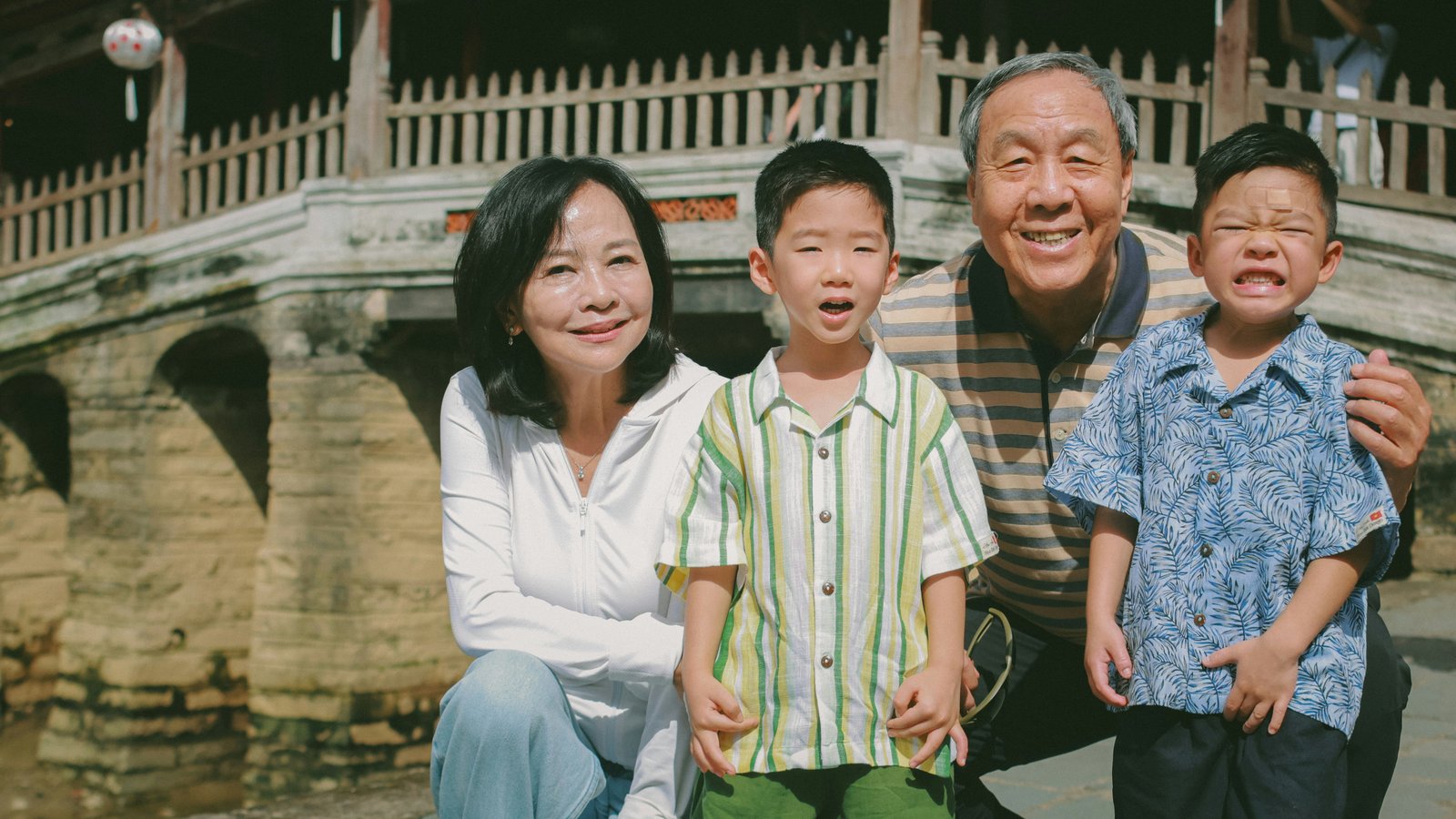
You've been dreaming about living abroad with your family. Somewhere with better weather, lower living costs, rich culture, and genuine adventure for your kids.
Thailand keeps coming up. And for good reason.
But every time you start researching, you hit the same wall: "How do we actually do this? What about visas for my spouse? What about the kids? What about school? Healthcare?"
Here's the good news: Thailand has become significantly more family-friendly when it comes to long-term visas, especially with the recent introduction of the DTV Dependent category.
Let's walk through everything you need to know about moving to Thailand as a family.
Thailand's Destination Thailand Visa (DTV), introduced in 2024, changed the landscape for families wanting to live in Thailand long-term.
One parent applies for a DTV visa through one of these pathways:
Once that parent's DTV is approved, the entire family qualifies for dependent visas:
Every person in your family receives:
This means your entire family can stay in Thailand for up to 5 years with the flexibility to come and go as needed.
Before the DTV, families faced complicated visa arrangements. One parent might have a work visa, but getting visas for spouse and children often required separate applications, different timelines, and ongoing renewals.
Now, with DTV Dependent visas, the entire family is covered under one primary application. You apply once, and everyone's situation is sorted for 5 years.
Since one parent needs to qualify for the primary DTV, you'll need to choose which pathway makes the most sense for your family situation.
Best if:
What you'll need to show:
Why families choose this: Stable, predictable income while living in Thailand. You maintain your career while your family enjoys Thailand life.
Best if:
What you'll need to show:
Why families choose this: Maximum flexibility—work your own schedule while raising kids in Thailand. Many freelance parents appreciate being able to spend more time with their children while maintaining income.
Best if:
Popular Soft Power options for families:
Why families choose this: Simpler application process, legitimate cultural engagement, and often easier approval than proving complex remote work arrangements.
Applying for DTV as a family involves coordinating documents for multiple people, but the process is straightforward once you understand the structure.
The parent who will be the main DTV holder prepares their application:
For each dependent (spouse and children), gather:
The primary applicant needs to show sufficient financial resources. The bank statements should demonstrate the family has adequate funds for the visa period.
Important notes:
You'll submit all applications together at a Thai embassy. Many families choose embassies in nearby countries (if already in Asia) or apply from their home country before moving.
Common application locations:
Processing typically takes several days to a week, depending on the embassy.
Once approved, each family member receives their visa. You can then travel to Thailand together as a family, each entering with your respective DTV visas.
One of the biggest questions families have: "What about school?"
Thailand offers several education pathways for expat children.
What they are: International schools follow curricula from other countries (British, American, IB, Australian, etc.) and teach primarily in English.
Pros:
Cons:
Where to find them:
What they are: Government-run schools that Thai children attend, taught primarily in Thai language.
Pros:
Cons:
Best for:
What it is: Parents educate children at home using online curricula, tutors, or self-directed learning.
Pros:
Cons:
Popular approaches:
Some Thai private schools offer better facilities than public schools but still teach primarily in Thai. These sit between public schools and international schools in terms of cost and approach.
Where you choose to live significantly impacts your family's experience.
Pros:
Cons:
Best for: Families wanting urban amenities, extensive schooling options, and vibrant city life.
Pros:
Cons:
Best for: Families wanting balance between amenities and relaxed lifestyle, those who enjoy nature, smaller city feel.
Pros:
Cons:
Best for: Families prioritizing beach life, water activities, and resort-style living.
Pros:
Cons:
Best for: Families wanting quieter beach living with proximity to Bangkok.
Pros:
Cons:
Best for: Families wanting affordability with international school access and proximity to Bangkok.
Healthcare quality in Thailand is generally excellent, especially in major cities.
Major Private Hospitals: Bangkok, Chiang Mai, Phuket, and Pattaya all have modern private hospitals with English-speaking staff, international-standard care, and pediatric specialists.
Quality of Care: Many Thai private hospitals are internationally accredited and attract medical tourists specifically for the quality-to-cost ratio.
Pediatric Care: Major cities have pediatric specialists and children's hospitals. Routine care, vaccinations, and emergency services are readily available.
International Health Insurance: Most expat families maintain international health insurance that covers them in Thailand and globally. This provides peace of mind and broader coverage.
Thai Health Insurance: Some families purchase Thai health insurance policies, which can be more affordable than international policies but provide coverage only in Thailand.
Hospital Direct Payment: Healthcare costs in Thailand are significantly lower than Western countries, so some families opt to self-insure (pay out-of-pocket) for routine care and maintain catastrophic coverage.
Pharmacies are abundant in Thailand, and many medications available by prescription-only in Western countries are available over-the-counter. Pharmacists often speak some English in expat areas.
Beyond logistics, what's the actual experience like for families?
Your children will grow up experiencing a different culture firsthand. They'll see Buddhist temples, participate in Thai festivals, taste authentic cuisine, and develop cross-cultural awareness that's impossible to replicate at home.
Thailand's climate allows year-round outdoor activities. Beaches, mountains, national parks, and constant sunshine mean kids spend more time outside, active and exploring.
The expat family community in Thailand is substantial and welcoming. Your kids will have friends from around the world, developing global perspectives and friendships.
Children in Thailand naturally pick up Thai language through daily life, even if attending international schools. Bilingualism or multilingualism becomes natural.
Thailand's central location in Southeast Asia makes regional travel incredibly accessible. Weekend trips to Cambodia, Vietnam, Laos, or Malaysia become normal family adventures.
Life in Thailand generally moves at a slower, more relaxed pace. This can mean more family time, less rush, and a different quality of life than hectic Western schedules.
Families typically rent houses or larger apartments. Many complexes have pools, playgrounds, and family-friendly amenities. Rental markets in major cities offer good variety.
Thai food is diverse, and most children adapt well. International supermarkets in major cities stock Western products for homesick kids. Restaurants accommodate dietary preferences.
Sports clubs, swimming pools, martial arts, dance, music lessons, and countless activities are available and generally affordable.
Many expat families employ housekeepers, nannies, or part-time help, which is affordable and can significantly improve quality of life for busy parents.
Quality international schools in Thailand maintain high academic standards. Many expat children thrive academically while also gaining life experiences their home-country peers miss.
Expat communities are social and active. Your children will make friends at school, activities, and through family gatherings. Many expat kids maintain these international friendships for life.
Living costs in Thailand are generally lower than Western countries, except for international school fees. Many families find they can maintain or improve their quality of life while spending less overall.
The DTV gives you flexibility. If family emergencies arise or you decide Thailand isn't working, you can return home. The visa doesn't lock you into anything—it simply gives you the option to stay.
Many families find the teenage years in Thailand actually easier. Safer environment, strong community, engaging activities, and excellent international schools help teens thrive.
The DTV Dependent visa is straightforward in concept but involves coordinating documentation for multiple people, understanding embassy-specific requirements, and ensuring everything is correct before submission.
Many families choose to work with visa services because:
Complexity multiplies with family size: One person's visa application is manageable. Coordinating applications for spouse and multiple children, ensuring all documents are correct, and managing timeline adds significant complexity.
Stakes are higher: If you mess up a solo application, you deal with it yourself. If your family's applications have issues, everyone's plans are disrupted.
Time value: Parents already handle jobs, kids, schooling, moving logistics, and countless details. Having experts handle visa complexity removes one major stressor.
Embassy variations: Different Thai embassies have slightly different requirements and processes. Knowing which embassy is best for your family situation and how to structure applications accordingly is valuable.
Document preparation: Ensuring marriage certificates, birth certificates, and other documents are properly formatted, translated if needed, and presented correctly prevents rejection.
Thai Kru assists families with the visa process, helping you navigate the requirements and get your family set up for long-term life in Thailand.
We help families understand:
Getting your family's visas sorted is the foundation for your Thailand adventure. We're here to help make that happen.
Moving to Thailand as a family is no longer the complicated, uncertain process it once was. The DTV Dependent visa provides a clear pathway for families to live in Thailand together for up to 5 years.
Your children will:
Your family will:
The logistics are manageable. The visa pathway exists. The community is welcoming.
The question isn't whether it's possible—it clearly is. The question is whether you're ready to make it happen.
👉 Ready to Get Your Family's Visas Sorted?
Thai Kru helps families navigate the visa process. Whether you're applying as remote workers, freelancers, or through Soft Power activities, we'll help you understand what's needed and get your family set up.
Contact Thai Kru today—let's get your family's Thailand adventure started.
Thai Kru Visa Services: We help families with the visa process for long-term life in Thailand. Contact us to discuss your family's situation.
A 1-hour video call with a Thailand visa expert. A written plan in your inbox within 24 hours. And a full year of email and chat support to keep you on track.