Never overstay again. Free Thai visa & 90-day reminders →

If you've ever dreamed of training Muay Thai in Thailand the birthplace of this ancient martial art there's incredible news: enrolling in a Muay Thai training program can now get you a 5-year visa to live in Thailand. Most people don't realize this opportunity exists. The DTV (Destination Thailand Visa) soft power pathway allows you to obtain a long-term visa based on Muay Thai training at recognized gyms. You don't need to be a professional fighter or even particularly athletic. You just need genuine interest in learning this traditional martial art. Let's break down how Muay Thai training can become your pathway to living in Thailand legally for up to five years.



Talk with our Thailand Specialists Numfhon, Tarn or Eric.
★★★★★ 5.0 on Google · Best Thailand visa agency
It's early morning in Bangkok, we'll reply this morning at 9am.
Or reach us directly: +66 99 333 2568 [email protected]
Bangkok · Pattaya · Chiang Mai · Phuket · Koh Samui
100% money-back guarantee
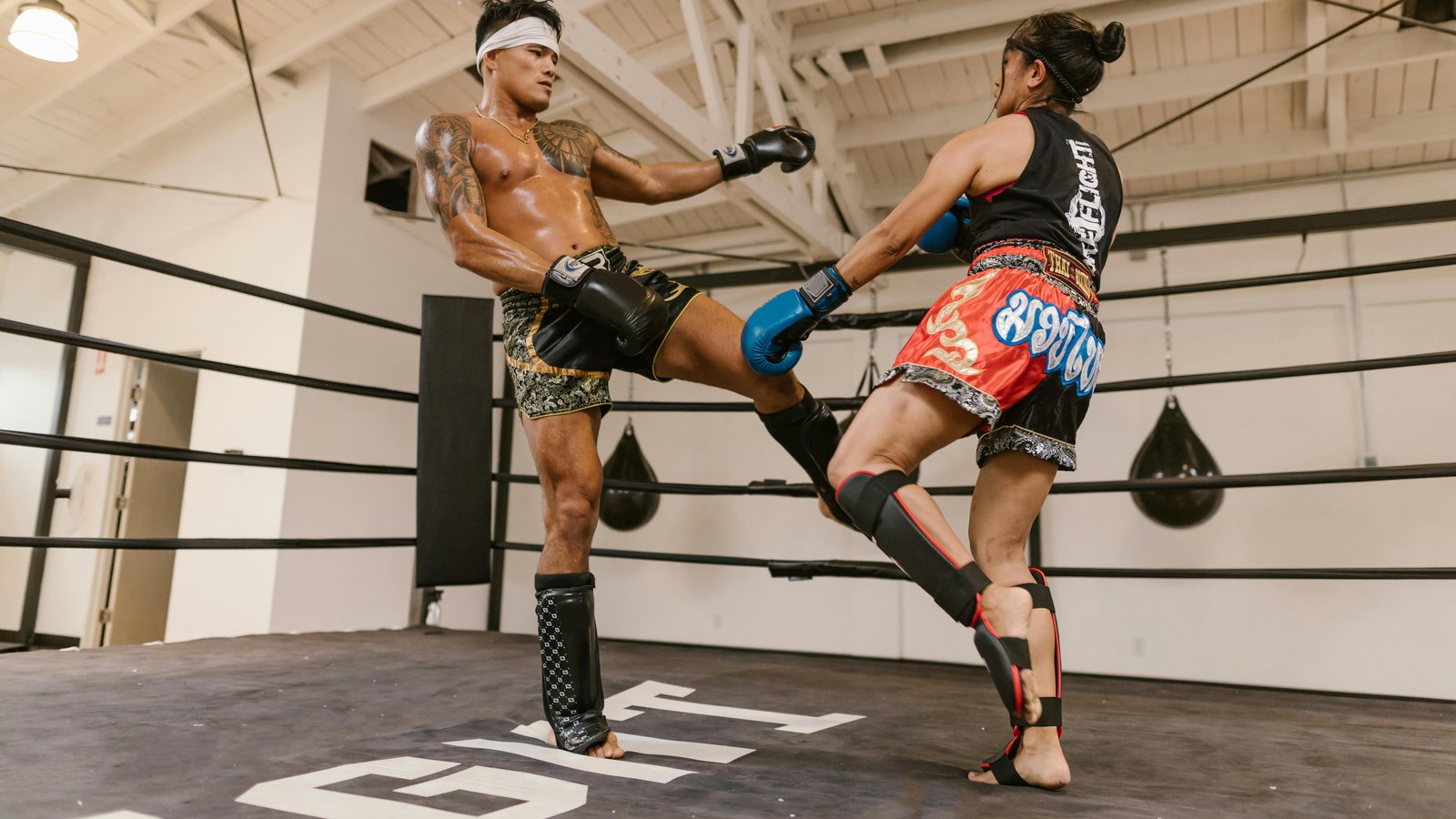
The DTV is Thailand's visa for people pursuing "soft power" activities—cultural experiences that showcase Thai heritage. Muay Thai, as Thailand's national sport and a UNESCO-recognized cultural practice, is one of the approved categories.
What you get:
What's required:
Unlike traditional tourist visas that require constant renewals or visa runs, the DTV gives you stability to train seriously, immerse yourself in Thai culture, and experience Thailand authentically.
Thailand is the spiritual home of Muay Thai. Training here isn't just about learning techniques—it's about experiencing the art in its authentic cultural context.
Traditional teaching methods: Thai trainers teach the same way they learned—through demonstration, correction, and repetition. The training philosophy emphasizes respect, discipline, and the spiritual aspects of Muay Thai, not just fighting.
Authentic gym culture: Thai gyms have a unique atmosphere. You'll train alongside Thai fighters preparing for competitions, absorb the rituals and traditions, and understand Muay Thai as a way of life, not just a workout.
Affordable world-class training: Training costs in Thailand are a fraction of what you'd pay for comparable instruction in Western countries. Monthly gym fees typically range from 6,000-15,000 baht ($170-420 USD).
The right climate: Year-round warm weather means consistent training without seasonal breaks. You can train outdoors, build cardiovascular endurance in tropical heat, and adapt like Thai fighters do.
Cultural immersion: Learning Muay Thai in Thailand means understanding Thai culture, language, social customs, and values. The gym becomes your community, and Thailand becomes your home.
Step 1: Choose a recognized gym Not every gym can sponsor DTV visas. You need a gym that's registered with the relevant Thai authorities and approved to provide documentation for visa applications. Major gyms in Bangkok, Phuket, and Chiang Mai typically offer DTV support.
Step 2: Enroll in a training program You'll need to enroll in a program lasting at least 6 months. Training schedules vary, but most gyms require 2-3 sessions per week for DTV purposes. Costs typically range from 25,000-35,000 baht for a 6-month program.
Step 3: Show genuine interest Since 2026, Thai embassies require proof that you're genuinely interested in learning Muay Thai, not just using it as a visa strategy. This might include:
Step 4: Meet financial requirements You need 500,000 baht in your bank account, seasoned for at least 2-3 months. This proves you can support yourself while living in Thailand.
Step 5: Apply at a Thai embassy Applications are submitted at Thai embassies outside Thailand, typically in your home country or country of legal residence. Processing takes 3-7 business days in most cases.
Step 6: Enter Thailand and train Once approved, you can enter Thailand and begin your training. While you're required to be enrolled, the actual attendance requirements vary by gym—most expect you to show up and train genuinely, not just pay and disappear.
If you've never trained Muay Thai before, here's what to expect:
Basic techniques: You'll learn the fundamental strikes—punches, kicks, elbows, and knees—plus clinch work, defensive techniques, and footwork. Beginners start with basics and progress gradually.
Typical training session: Warm-up and stretching, shadowboxing, pad work with trainers (the most important part of Thai training), bag work, clinching practice, conditioning exercises, and cool-down. Sessions typically last 1.5-2 hours.
Intensity levels: Good gyms accommodate all fitness levels. You're not training to become a professional fighter unless you choose to. Many students train for fitness, self-defense, cultural experience, and personal challenge.
The wai kru: Before training, you'll learn the wai kru a traditional ritual of respect performed before practice and fights. This connects you to the spiritual and cultural roots of Muay Thai.
Community atmosphere: Gyms become tight-knit communities. You'll train alongside people from around the world and local Thai fighters, creating friendships and shared experiences.
Bangkok: The capital offers numerous gyms from traditional Thai training camps to modern facilities catering to internationals. Convenient city living with excellent food, transportation, and amenities. Gyms like the ones in the Thonglor or Sukhumvit areas are popular with expats.
Phuket: Island paradise with beach proximity and established Muay Thai infrastructure. Many gyms cater specifically to foreigners combining training with tropical lifestyle. Tiger Muay Thai and similar facilities are well-known options.
Chiang Mai: Northern Thai city with lower cost of living, cooler weather (relatively), and strong martial arts community. More relaxed pace than Bangkok with excellent food and cultural attractions.
Pattaya: Beach city with numerous gyms and affordable living. Good balance of training facilities and entertainment options.
Each location offers different vibes—choose based on whether you want big city energy, beach life, cultural immersion, or budget-friendly living.
Training fees: 6-month programs typically cost 25,000-35,000 baht ($700-1,000 USD). Some gyms offer year-long packages for better value.
Visa application: DTV visa fee is approximately 10,000 baht ($280 USD).
Living costs: Housing (10,000-25,000 baht/month), food (10,000-20,000 baht/month), transportation (2,000-5,000 baht/month), miscellaneous (5,000-10,000 baht/month).
Total monthly budget: Comfortable living while training Muay Thai in Thailand typically costs 30,000-60,000 baht per month ($850-1,700 USD), depending on location and lifestyle.
Financial requirement: Remember, you need 500,000 baht in the bank for visa approval, but you don't need to spend it all—it's proof of financial stability.
The DTV gives you 180 days per entry, and you can leave and return multiple times over five years. This means:
Training seasons: Dedicate 3-6 months to intensive training, then travel Southeast Asia, return home, or explore Thailand before your next training block.
Cultural festivals: Experience Songkran (Thai New Year), Loy Krathong (lantern festival), and local Muay Thai events and competitions.
Travel flexibility: Use Thailand as your base to explore Vietnam, Cambodia, Laos, Malaysia, and beyond. Return to continue training whenever you want.
Fitness transformation: Six months of consistent Muay Thai training transforms your body, mind, and confidence. Many people arrive out of shape and leave as athletes.
Thai language: Training daily with Thai coaches and gym-mates naturally improves your Thai language skills. You'll learn gym vocabulary, everyday conversation, and cultural understanding.
Fitness enthusiasts: If you love martial arts, combat sports, or intense workouts, Muay Thai training in Thailand is a dream come true.
Digital nomads: Work remotely while training 2-3 times per week. The visa allows this lifestyle legally.
Career breakers: Taking time off work? Spend 6 months getting in incredible shape while experiencing Thai culture.
Martial artists: If you practice MMA, kickboxing, or other martial arts, learning Muay Thai in Thailand deepens your skills and understanding.
Adventure seekers: People who want to truly immerse in Thai culture through its most iconic tradition.
Pre-retirees: Not old enough for retirement visa but want to live in Thailand? Muay Thai DTV works for any age 18+.
You don't need to be young, super fit, or already experienced. Genuine interest and willingness to learn are what matter.
Thai embassies now scrutinize Muay Thai DTV applications more carefully. They want to ensure applicants genuinely intend to train, not just exploit the visa category.
What helps your application:
What hurts your application:
Be genuine. If you're truly interested in training Muay Thai in Thailand, show it. That's what embassies want to see.
Choosing the right gym, preparing documentation, demonstrating genuine interest, and navigating embassy requirements can be overwhelming.
Thai Kru specializes in DTV Muay Thai applications. We connect you with reputable gyms in your preferred location, help craft compelling personal statements, prepare all required documents, choose the best embassy for your situation, and guide you through approval.
Founded by Ericson Smith, who understands immigration complexity, Thai Kru provides accurate human planning—not guesswork. Lovingly rated 5 stars on Google by clients who successfully obtained their visas.
Training Muay Thai in Thailand isn't just about getting a visa though that's a fantastic benefit. It's about immersing yourself in one of the world's most respected martial arts traditions, transforming your fitness and confidence, and experiencing Thai culture authentically.
The DTV makes this dream accessible and legal for up to five years.
Ready to train Muay Thai and live in Thailand? Contact Thai Kru at www.thaikru.com Let us guide you from gym selection to visa approval to starting your Muay Thai journey in Thailand.
A 1-hour video call with a Thailand visa expert. Your actual situation, the routes that are realistic for you, and a straight answer on what to do next.