Never overstay again. Free Thai visa & 90-day reminders →

You heard about medical visa. You think: "I'll just go to clinic, get doctor to write something, and get approved for 5 years." It doesn't work that way. Quick clinic visits won't get you medical DTV. Minor health issues won't qualify. Casual doctor appointments don't count. Medical DTV is for people with genuine, significant medical conditions requiring extended treatment at recognized Thai hospitals. Let's talk about what actually qualifies - and more importantly, what absolutely doesn't.



Talk with our Thailand Specialists Numfhon, Tarn or Eric.
★★★★★ 5.0 on Google · Best Thailand visa agency
It's the weekend in Bangkok, we'll reply on Monday.
Or reach us directly: +66 99 333 2568 [email protected]
Bangkok · Pattaya · Chiang Mai · Phuket · Koh Samui
100% money-back guarantee
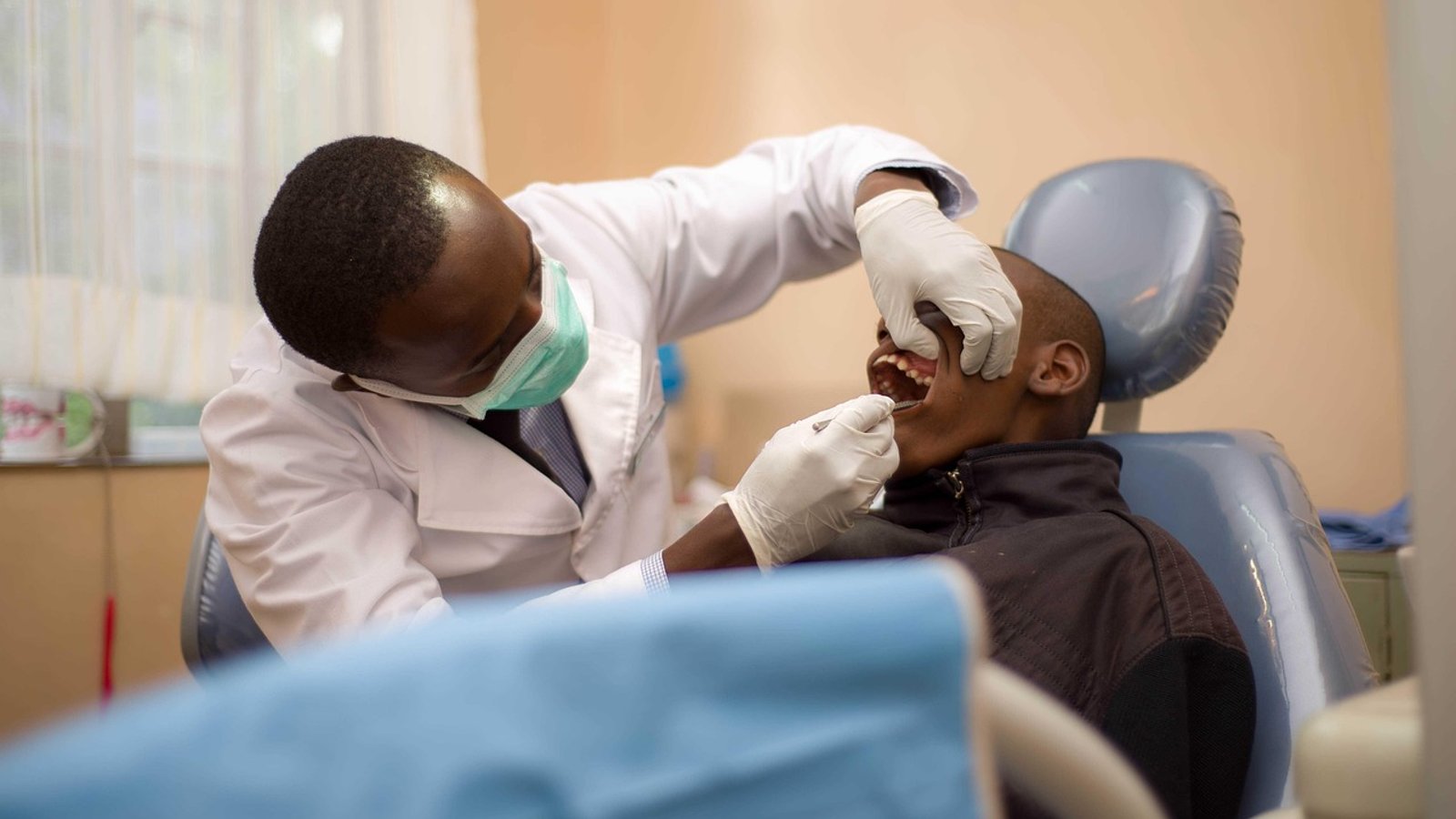
Let's start with what won't work:
Cold or flu: Definitely not.
Minor infections: No.
Headaches: Not even close.
Casual health check-up: Nope.
Single doctor visit: Won't happen.
Small clinic treatment: Doesn't count.
Tourist clinic consultation: Rejected.
Minor dental work: Too simple.
Generic wellness visit: Not medical visa material.
If your medical need is something you could handle at home with over-the-counter medication or a quick doctor visit, medical DTV isn't for you.
Here's the logic: Medical DTV is for people who can't get treatment at home and must come to Thailand for extended medical care.
If you could handle your medical situation at home, why would you need 5-year visa to Thailand for it?
Medical DTV is for significant medical conditions requiring professional treatment you couldn't reasonably get at home.
Medical DTV is for:
Major surgery: Hip replacement, joint surgery, cardiac procedures, major orthopedic surgery, cancer surgery
Serious chronic conditions: Conditions requiring ongoing specialist treatment, regular appointments, continuing medical management
Extended medical procedures: Cancer treatment (chemotherapy, radiation), ongoing dialysis, complex medical protocols
Significant recovery periods: Procedures requiring weeks or months of recovery and follow-up care
Specialized treatment programs: Medical programs requiring extended engagement at hospital or medical facility
Recovery requiring professional care: Post-operative recovery needing multiple medical check-ups and specialist visits
Ongoing specialist appointments: Requiring multiple appointments with specialists over extended period
Multiple treatment phases: Treatment with multiple stages requiring months of care
The key difference: Real medical conditions requiring extended professional treatment. Not simple issues you could handle at home.
Medical DTV requires treatment at recognized Thai hospitals.
Not random clinics. Not tourist medical facilities. Not informal healthcare.
Recognized Thai hospitals:
If you go to small clinic, even if doctor writes something, that won't qualify.
Embassies specifically verify with hospitals. They check hospital records. They confirm you're an actual patient with actual medical condition.
Small clinics don't have the systems embassies need to verify.
When you apply for medical DTV, embassy will:
This verification is why you can't fake it.
If you claim to have cancer treatment and the hospital says "We've never seen this person," application gets rejected immediately.
If you claim to need multiple specialist visits and your appointment schedule shows one casual visit, application gets rejected.
Embassies check thoroughly.
For medical DTV to work, you need actual medical records at hospital:
Initial diagnosis: Professional medical diagnosis, not casual observation
Medical records: Proper documentation of your condition in hospital system
Treatment plan: Professional treatment plan from medical staff
Appointment schedule: Documented multiple appointments scheduled
Professional assessment: Doctor's professional assessment of why you need extended stay
Follow-up protocol: Documented follow-up care plan requiring extended presence
Small clinic visits don't create this kind of documentation.
Legitimate hospital treatment does.
QUALIFIES:
DOESN'T QUALIFY:
The difference is obvious: Real medical conditions requiring extended professional treatment vs. simple medical issues.
Let me be very clear: You cannot lie about having medical condition for visa purposes.
Why it will fail:
Embassies verify everything with hospitals. If you claim to have cancer treatment and hospital says they have no record of you, you get rejected.
If you claim to need extended specialist care and your appointments show one visit, you get rejected.
If you go to clinic and the clinic has no documentation of ongoing treatment, you get rejected.
Consequences of faking:
Application rejection. Money loss. Potential visa ban. Possible legal consequences for immigration fraud.
It's not worth risking.
Only apply if you genuinely have medical condition requiring extended professional treatment.
Real medical treatment at Thai hospitals costs money. Sometimes significant money.
But many people find that:
If you actually need medical treatment, Thailand makes financial sense.
Medical DTV isn't a loophole. It's legitimate visa for people who legitimately need medical care.
When embassy reviews your application:
They contact hospital. They review medical records. They verify diagnosis. They confirm appointment schedule. They ensure everything matches your application.
If everything checks out, you're approved.
If anything doesn't match or seems suspicious, you're rejected.
Embassies don't rush medical visa applications. They verify carefully because medical visa is serious category.
Medical DTV exists for people genuinely needing medical care in Thailand.
Thailand has excellent hospitals and medical professionals. Medical tourism is legitimate business.
If you actually need treatment, medical DTV is legitimate pathway.
But you have to actually need the treatment.
When you research hospitals, be honest about your medical situation.
Hospitals understand medical visa requirements. They can advise if your condition qualifies.
Don't try to manipulate hospitals into giving you documentation you don't deserve.
Hospitals cooperate with immigration. They won't help you fake medical visa.
You need around 500,000 Baht to show you can support yourself during medical treatment and recovery.
This shows you're financially stable and can pay for your treatment.
The money stays in your account. You're just proving you have it.
Medical DTV exists because Thailand recognizes people genuinely need medical care.
If you actually need treatment, getting approved for 5-year visa while receiving that treatment is genuine benefit.
You get healthcare. You get legal status. You can recover in peace.
People genuinely needing medical treatment at professional Thai hospitals. People whose condition requires extended stay and multiple appointments. People wanting legal certainty during medical treatment. People actually needing professional medical care.
People without genuine medical conditions. People trying to fake medical situations. People going to clinics for casual visits. People thinking medical visa is visa loophole.
Be honest. Embassies check thoroughly.
If you genuinely need medical treatment in Thailand and want to explore medical DTV, Thai Kru helps with:
Connecting you with legitimate recognized Thai hospitals, understanding medical DTV requirements for your specific condition, helping prepare proper medical documentation, guiding through application process, explaining hospital verification procedures, supporting you through approval.
We help legitimate patients access medical care in Thailand legally.
Quick clinic visit won't get you medical DTV. Minor health issues won't qualify. Casual doctor appointments don't work.
Medical DTV is for people with genuine, significant medical conditions requiring extended professional treatment at recognized Thai hospitals.
If you actually have medical condition requiring real treatment, get proper medical care. The visa will follow naturally from legitimate treatment.
Don't try to fake it. It won't work. Embassies verify everything.
Disclaimer: Medical DTV requires genuine medical condition verified by recognized Thai hospital. Simple medical issues or casual doctor visits do not qualify. Embassies conduct thorough verification with hospitals. Never fabricate medical circumstances for visa purposes. Always consult medical professionals about your actual health needs.
A 1-hour video call with a Thailand visa expert. Your actual situation, the routes that are realistic for you, and a straight answer on what to do next.